
Company
A Milestone for AVAP: Raúl Nogales Named CEO of the Year 2026
The CIO Tech World names Raúl Nogales CEO of the Year 2026 and recognizes AVAP as one of its Tech Companies of the Year, with an interview on AI Systems.

Ideas, architectures and perspectives shaping the next generation of AI Systems and enterprise software.
 Featured Articles
Software is entering a new era where distributed intelligence, enterprise knowledge, and AI agents converge to create continuously evolving intelligent systems.

The CIO Tech World names Raúl Nogales CEO of the Year 2026 and recognizes AVAP as one of its Tech Companies of the Year, with an interview on AI Systems.
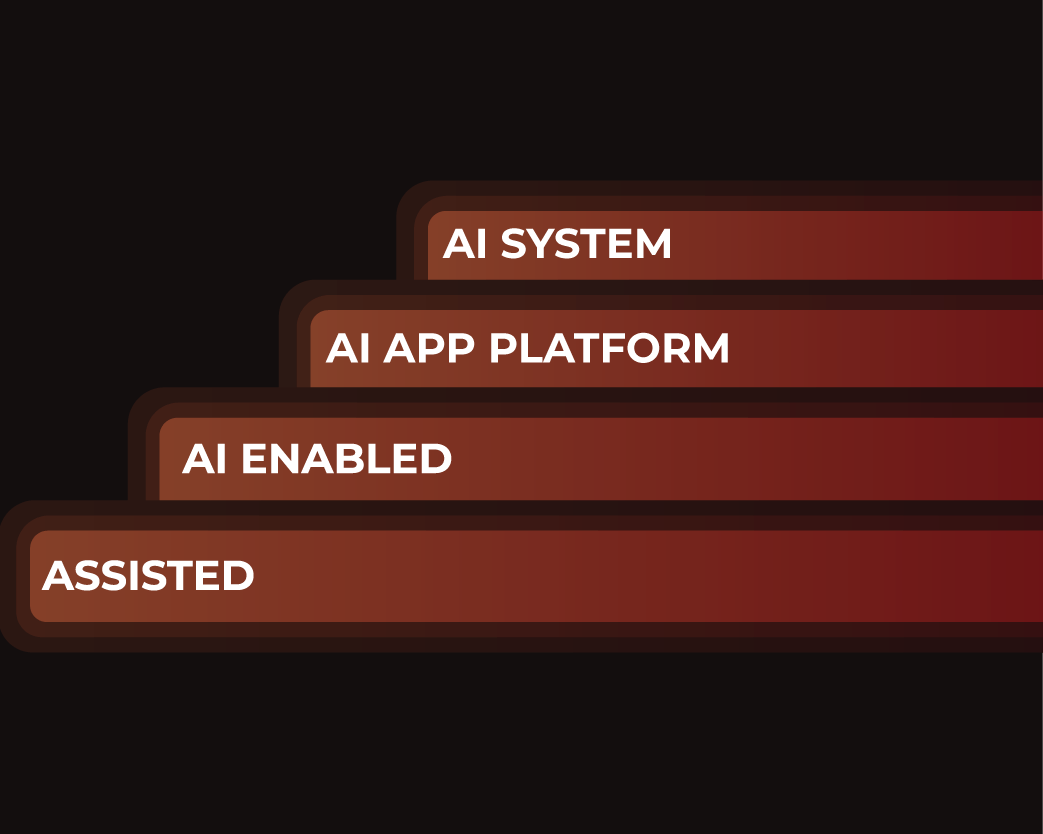
AI-assisted tools, AI-enabled stacks, AI application platforms, and AI Systems solve different problems. Here is how to tell them apart before evaluating vendors.

A practical 30-minute diagnostic to measure how much rebuilding, recompiling, and redeploying your backend really costs your engineering team.
Data residency, logs, subprocessors, and traceability: the compliance gaps of hosted AI, and an architecture that puts intelligence where the data is governed.
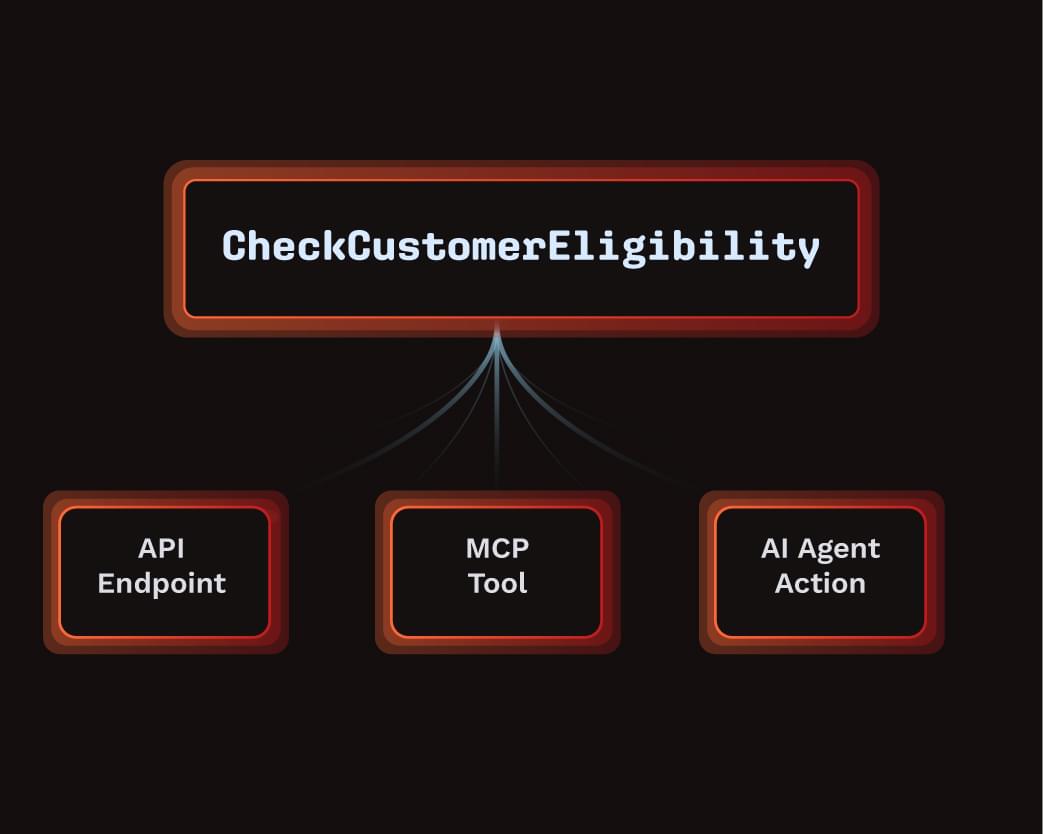
Agents, MCP tools, tokens, and multi-hop identity are breaking the API gateway model. Why retrofitting AI is not enough, and what an AI-native backend looks like.
Software is entering a new era where distributed intelligence, enterprise knowledge, and AI agents converge to create continuously evolving intelligent systems.

SaaS platforms require APIs designed for multi-tenancy, ensuring secure isolation, scalability, adaptability, and efficient tenant-aware execution across evolving environments.

AVAP expands Python library support, enabling developers to package dependencies, reuse existing code, and build portable, reliable libraries for virtual APIs.
AVAP contrasts data and API virtualization, highlighting how virtual-first APIs eliminate infrastructure and dependencies for faster, scalable, intelligent development.

AVAP explores how virtual-first architecture enables APIs to scale automatically across distributed environments, handle high concurrency, and self-optimize with AI.