Build, share, and scale APIs through an open collaborative network
The first open-source, peer-to-peer network designed for collaborative API development and deployment.
Visit API Collaborative NetworkFree and Open API Development Network
The API Collaborative Network is an open-source, international peer-to-peer network for building, deploying, and sharing APIs. As the first project of the PLATON Foundation, it provides developers with a decentralized environment where computing resources can be shared across a growing community of peers.

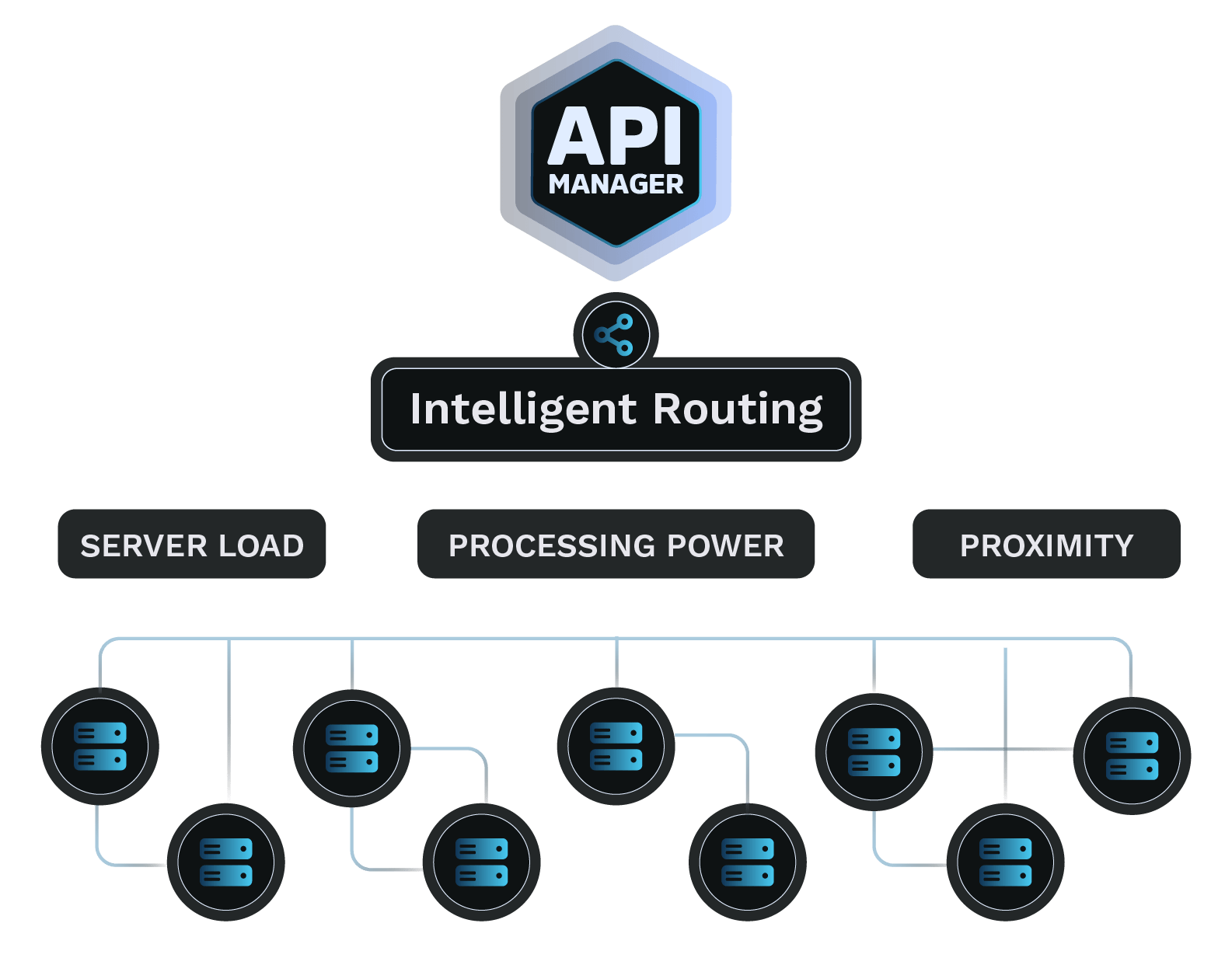
The network dynamically distributes API processing across participating nodes, intelligently routing requests to the most efficient available server based on factors such as response time, server load, proximity, and processing capacity.
As more peers join, the network expands its available capacity; creating a collaborative infrastructure that can grow with the community.

Open Source

Open Access

Community-Powered
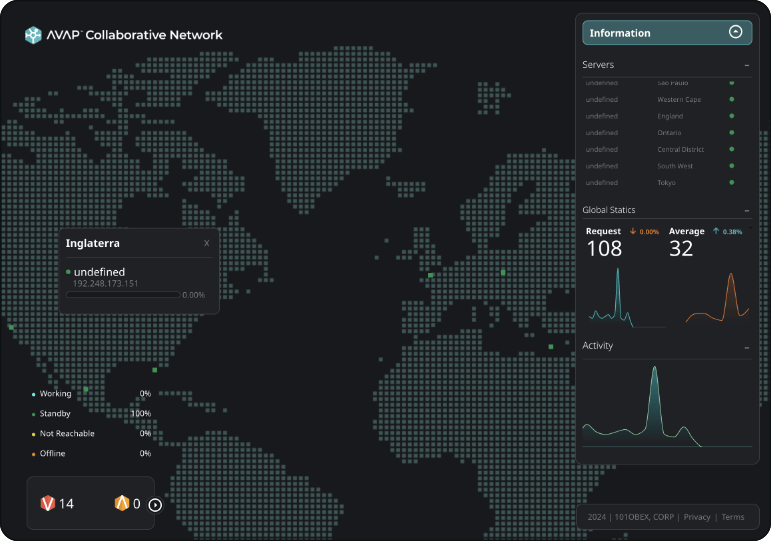
Exponential Growth Capacity
The more active peers join the network, the more the server capacity scales, ensuring that the system can handle increasing traffic without compromising performance. This dynamic scalability provides an unparalleled advantage for developers, allowing them to deploy applications at scale while leveraging the network's expanding resources.
Intelligent Routing & Dynamic Thread Distribution
It optimizes the processing of API requests by dynamically selecting the best server to handle each request. This process is based on multiple parameters, including server load, proximity, and processing power. Additionally, dynamic thread distribution ensures that processing threads are effectively distributed across active peers, optimizing resource usage and delivering performance for better efficiency and faster response times.
Open and Distributed Architecture
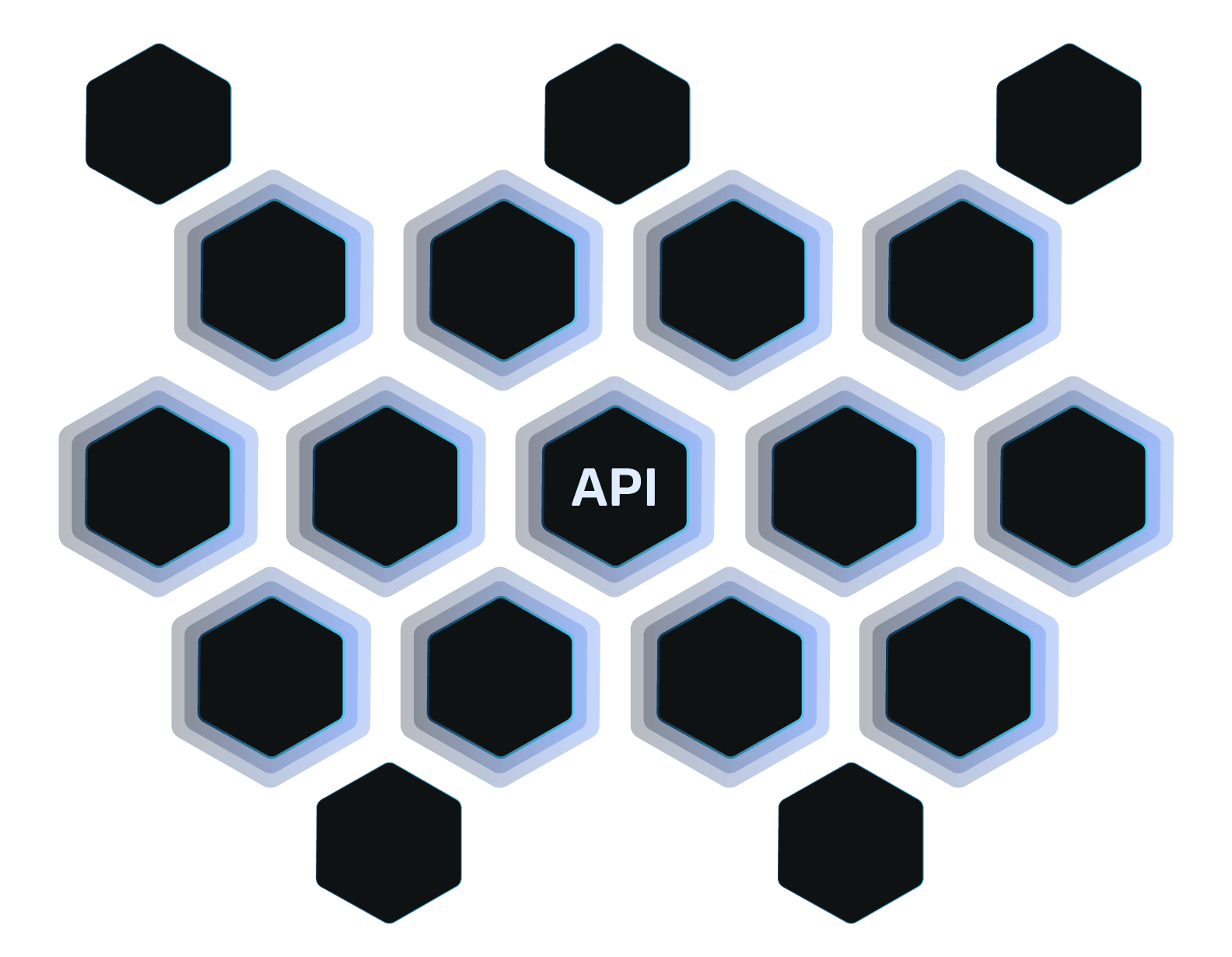
The network is designed as an open, distributed ecosystem where developers can participate, contribute resources, build applications, and help expand the network.
Its peer-to-peer architecture reduces dependence on centralized infrastructure while creating new opportunities for collaboration, experimentation, and shared innovation.
High-Level Security
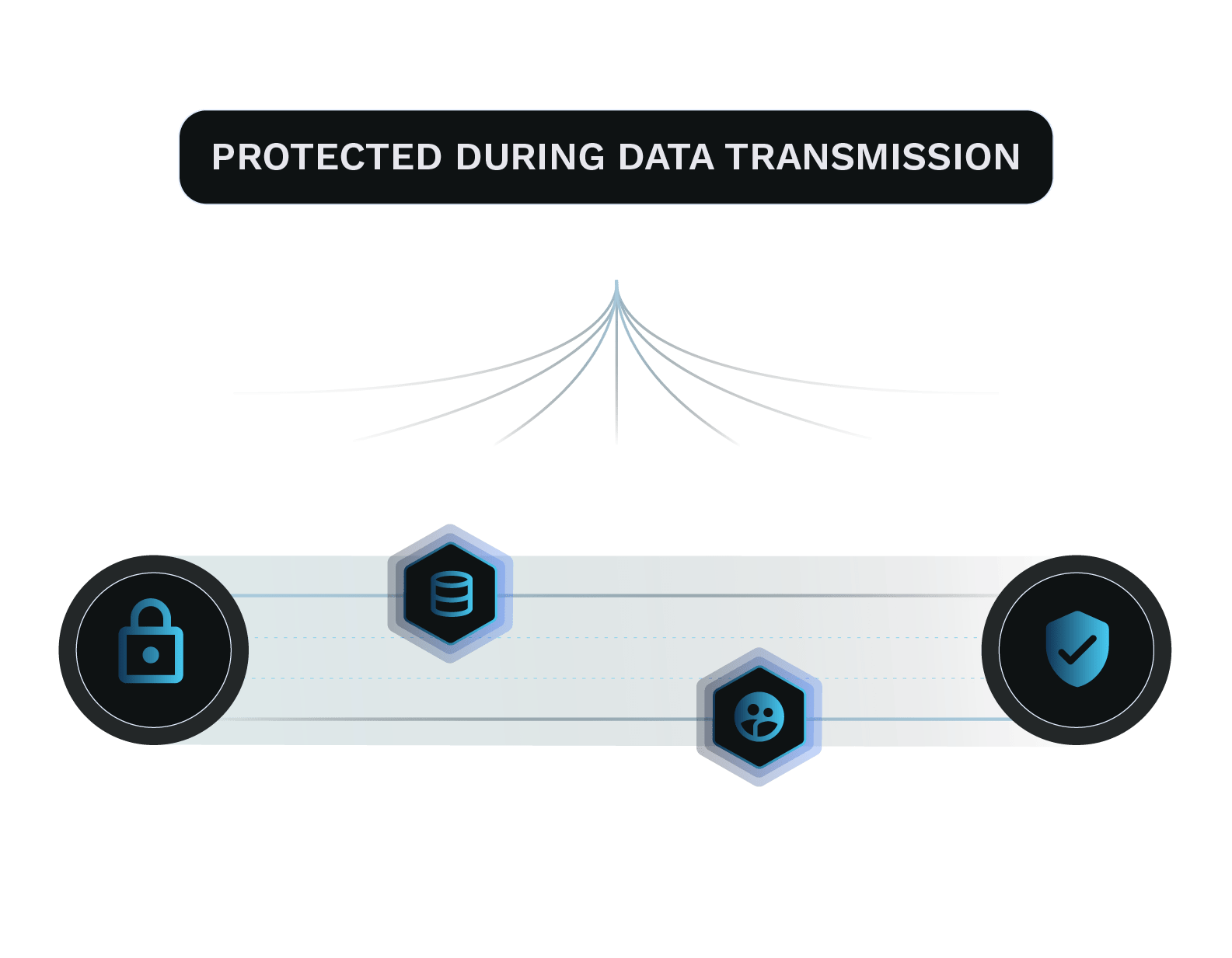
We incorporate advanced security protocols to safeguard the integrity of data and the privacy of users. End-to-end encryption ensures that sensitive information remains protected during data transmission, while stringent access control mechanisms manage who can interact with specific APIs.
Cost-Efficient API Development
Publish and manage APIs without additional cloud service expenses.
Agility in Deployment & Scaling
Leverage shared resources for fast, scalable API implementation and growth
Collaborative Learning & Innovation
Participate in an open-source community where developers can share resources, contribute improvements, and build new solutions together.